NEWS & STORIES
Bolivia Trip Notes - Part 1 |
|
Filed under On The Road
Wow. Bolivia.
We have just returned from an incredible week in Bolivia, where we tasted some spectacular coffees, and fell in love with the place.
It is fair to say that Bolivia does not immediately come to mind when we think of coffee-producing countries. Despite having the ideal conditions to cultivate quality coffee (high altitudes of 1200-2000 metres above sea level, rich soil, wide daily temperature ranges, and an abundance of old-growth Typica varietals), total production in Bolivia is very small, with the amount of specialty coffee even smaller again. This year, for example, the total coffee production in Bolivia will likely be around 60-75,000 bags (which is equivalent to the annual output of one large farm in Brazil), even though local experts estimate that Bolivia has the potential to produce over a million bags a year, with more land suited to coffee-growing than Costa Rica and Guatemala combined.
There are several reasons for this relatively low output. Firstly, the country is landlocked, meaning that coffee must travel over land to reach a port (usually via Peru) in order to be exported. Secondly, the roads themselves are steep, long, and dangerous, winding their way around the Andean mountain ranges at a staggering 3,800 metres above sea level in places. For many years, coffee produced in the Yungas region had to travel along the world's most dangerous road, the infamous 'Death Road,' which connected this area with the capital, La Paz.
It has taken three decades and ten governments to build the new highway that has been operating since 2006, bypassing one of the most dangerous sections of the old road. This has provided a massive improvement to agricultural transportation and the development of the Yungas region. Parts of the 'Death Road' still remain between Corioco and Caranavi – and having travelled along it, we can confirm: it is the scariest road we have ever been on – but there are plans to widen and pave this part of the road, too, which will further improve travel times, and make transportation out of the region easier.
Coffee production also competes with the local coca industry (which is largely used for cocaine production but also consumed by the locals as tea and as dried leaves which they chew on to give them energy and suppress hunger). Coca harvests all year round and requires much less labor and pays a better return.
Despite its challenges, coffee production in Bolivia has been gradually improving. Over the last decade, USAID-funded programmes have given farmers access to quality control training and facilities, financial assistance, and better infrastructure, all of which allows them to produce better quality coffee. The arrival of the Cup of Excellence programme in 2004, as well as the persistent hard work and commitment of several visionary Bolivian producers and individuals, has also seen the quality of coffee coming out of Bolivia significantly improve.
One progressive and inspirational individual is Pedro Rodriguez. Pedro entered the coffee industry 25 years ago, ditching his suit and his accounting job, and pursuing his passion for agriculture. Ten years ago, Pedro recognised the potential for specialty coffee in Bolivia. Over the last decade he has worked tirelessly to build the production of, and market for, Bolivian specialty coffee, helping hundreds of local farmers recognise and realise the potential of their land and crops.
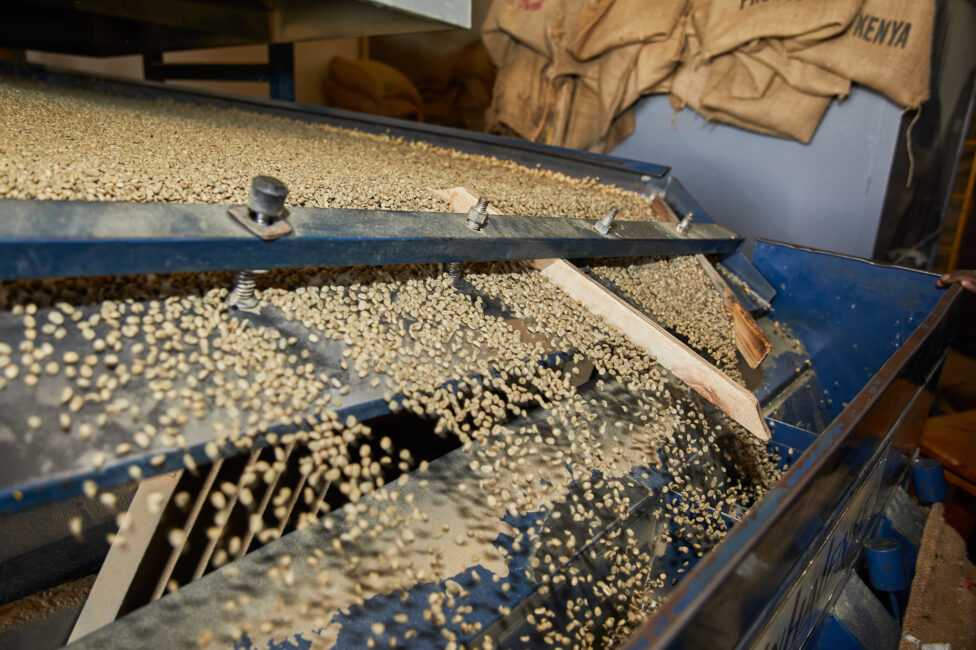
With a young, dynamic and passionate team, including his son Pedro and daughter Daniella, Pedro has built an impressive business called Agricafe, which focusses on building long-term relationships with producers, based on mutual trust and benefit. Today, Agricafe represents over 1000 producers averaging 2 – 5 hectares in size. With exemplary washing and drying facilities, Pedro painstakingly separates the majority of the individual lots that are delivered to him, allowing for full traceability back to the individual farmer or cooperative.
Pedro and his team take a long-term view, actively contributing to the development of producers by sharing with them their best agricultural practices and knowledge, and giving them the information and support they need to improve their standards. He fosters a very transparent relationship with growers, directly passing on any additional rewards he secures if a particular lot shines brighter than expected on the cupping table and garners higher than normal prices. Such relationships give coffee producers motivation to continue their investment in, and commitment to, quality coffee.
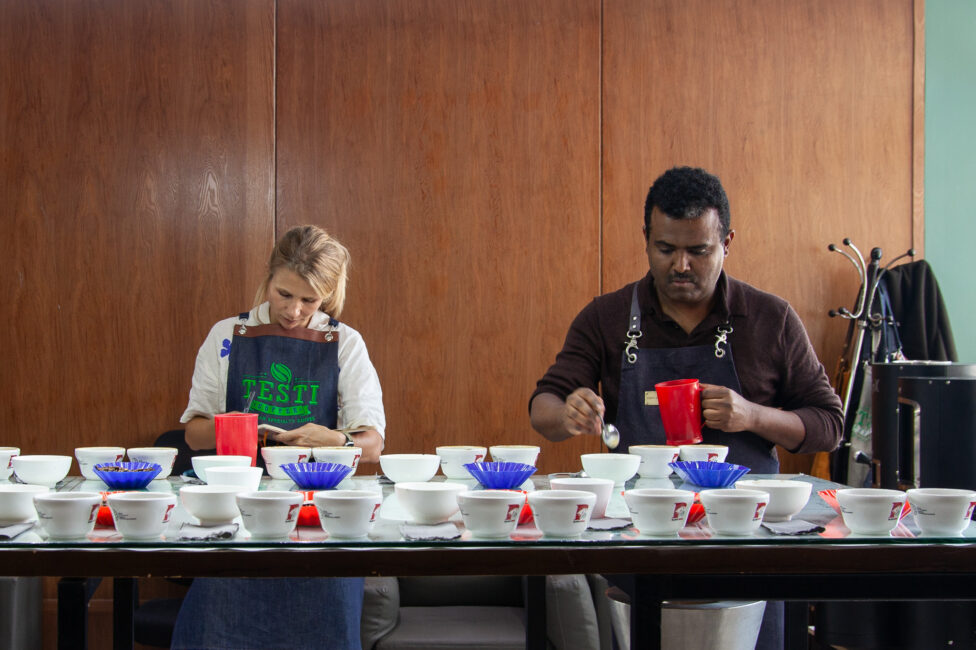
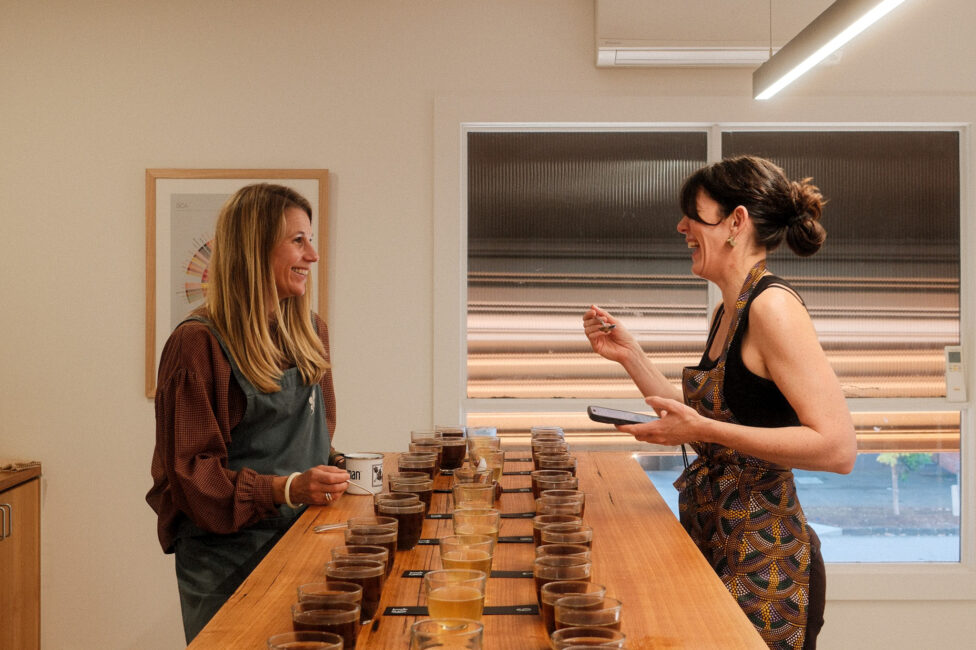
With a world-class quality control lab onsite, Pedro has enabled his team, including the very talented Willy (a Q grade cupper in charge of quality control for Agricafe), to trial different processing methods in order to see how they impact cup quality or highlight different attributes in the cup. On our last visit, Willy was trialling different fermentation times, as well as multiple drying methods. There were some exciting results on the table.
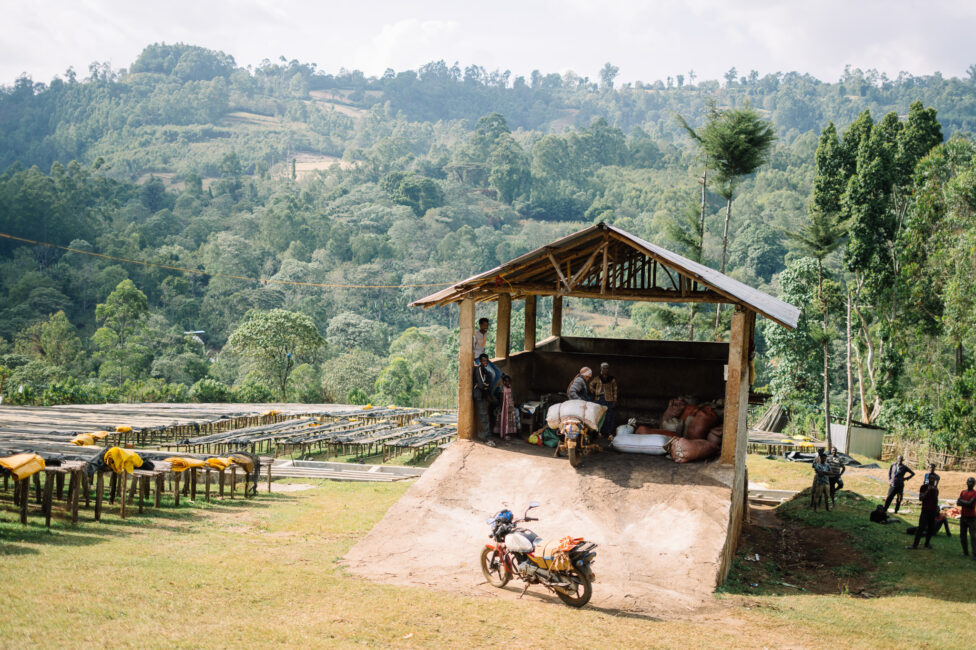
During our visit to Bolivia, we learnt that the main coffee regions are Caranavi, Coroico, Nor & Sud Yungas, Inquisivi, Provincia Ichilo, Samaipata, Apolo and Mairana. In most mills, coffee cherries are washed with the wet method and dried on raised African beds or patios. Depending on the distance of the farm from the nearest mill, coffee cherries may be delivered directly to central mills or cooperatives for processing, or the coffee may be pulped at the farm, and then dried and delivered in parchment.
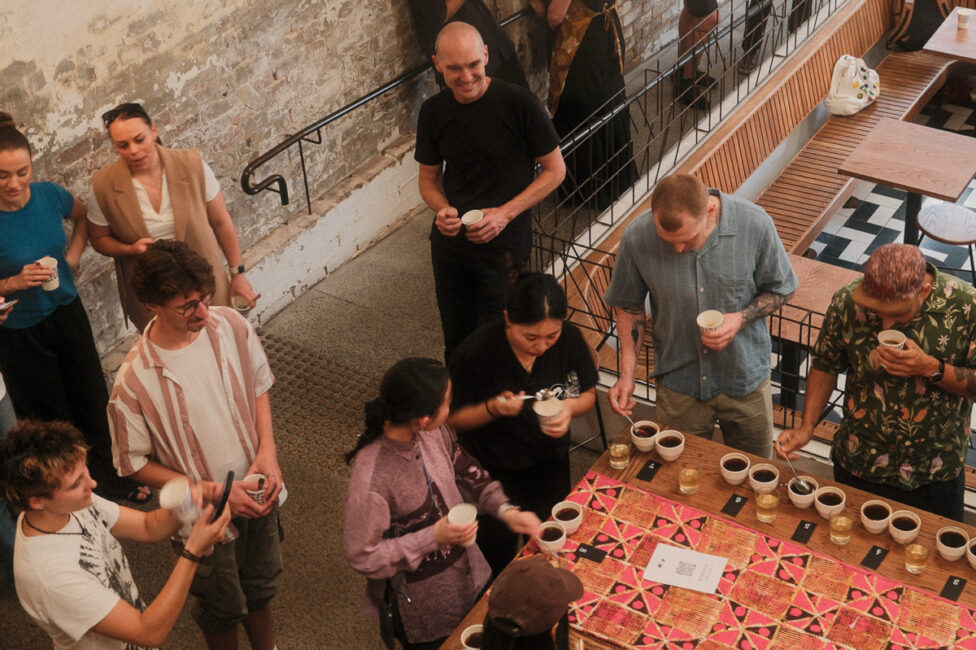
The harvest in Bolivia takes place from March to August, with higher grown coffee being harvested later in the season. As our visit was in late August we were lucky enough to cup some spectacular new arrivals from the higher farms, and were blown away by the results. All the coffees were sweet and incredibly clean. Some had profiles that were straight up sugar cane, with a balanced acidity, and very transparent cup profiles. Others were more complex, with lovely notes of blackcurrant, butterscotch and berries bursting from the cup.
So, keep an eye out for the cracking 2011 harvest Bolivians we'll have on offer over the coming months. The lot sizes will be small, but the coffees precious and delicious, and worth celebrating and savouring.