NEWS & STORIES


Meet the Pacas

Posted by Fleur Studd on March 15, 2012
Filed under On The Road


Today we met with the very inspirational Pacas family who have been growing coffee in El Salvador since the early 1800s.

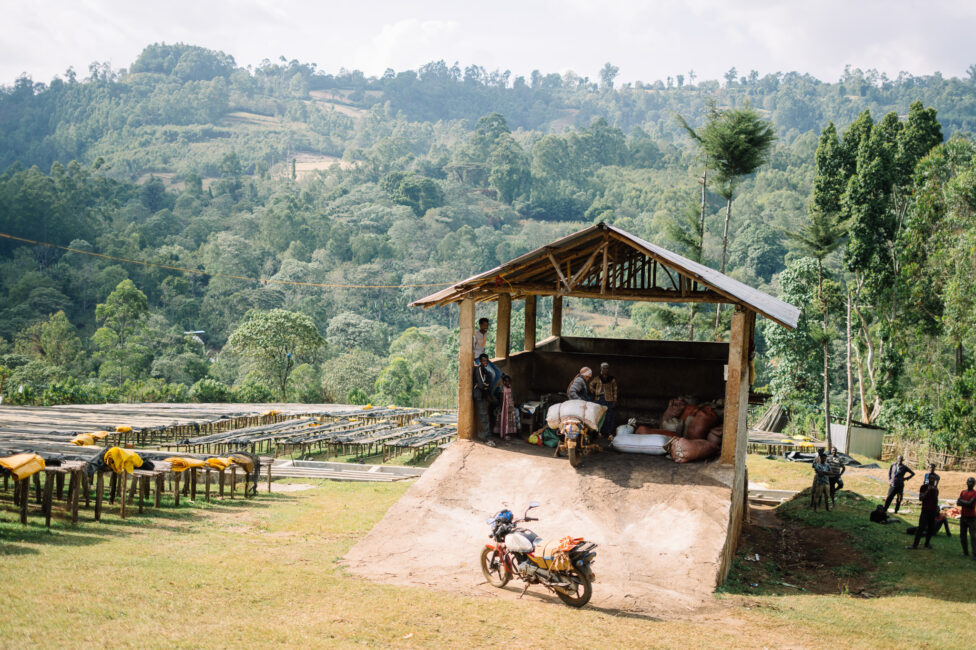
The Pacas own several specialty coffee estates around the Santa Ana volcano along the Apaneca-Ilamatepeque mountain range, including El Retiro, El Talapo, San Joaquin, Esperanza and La Gauchoca.

A very passionate and skilled team lies behind these farms, led by Alfredo Pacas, and his daughter Maria and son Alfredo. Their mission: 'To bring happiness to the planet through unique coffees that deliver our passion for excellence in the cup'.

Alfredo and Maria, the 5th generation, are young, energetic, inquisitive, and quality focused. They understand specialty coffee, and are continuously pushing the boundaries to improve quality, mixing traditional best practice (like using the Agobadia method of pruning, implementing careful soil and shade management, use of older varietals) with cutting edge quality control systems and techniques.

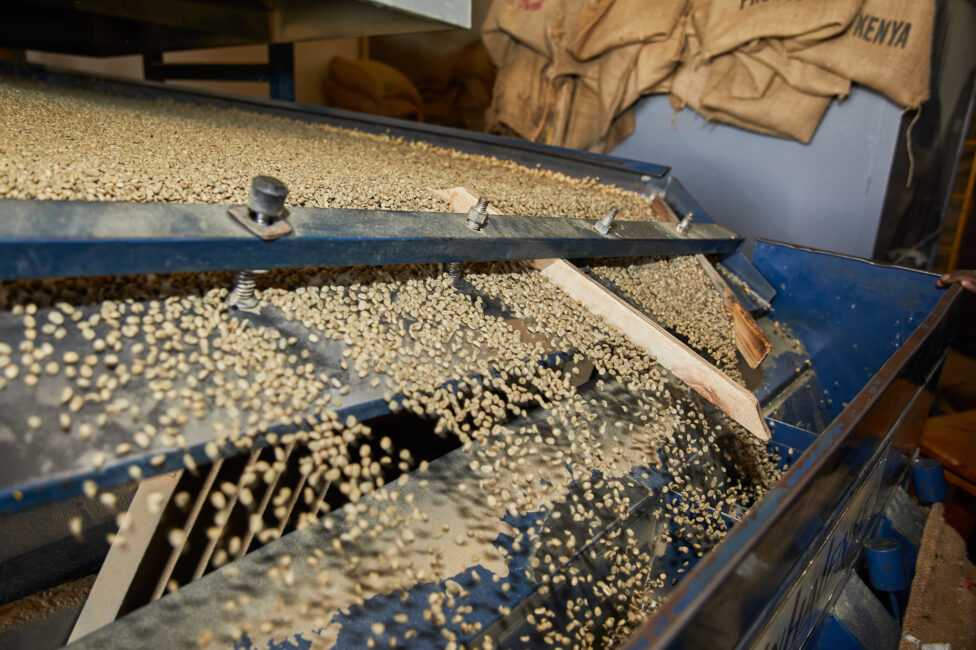
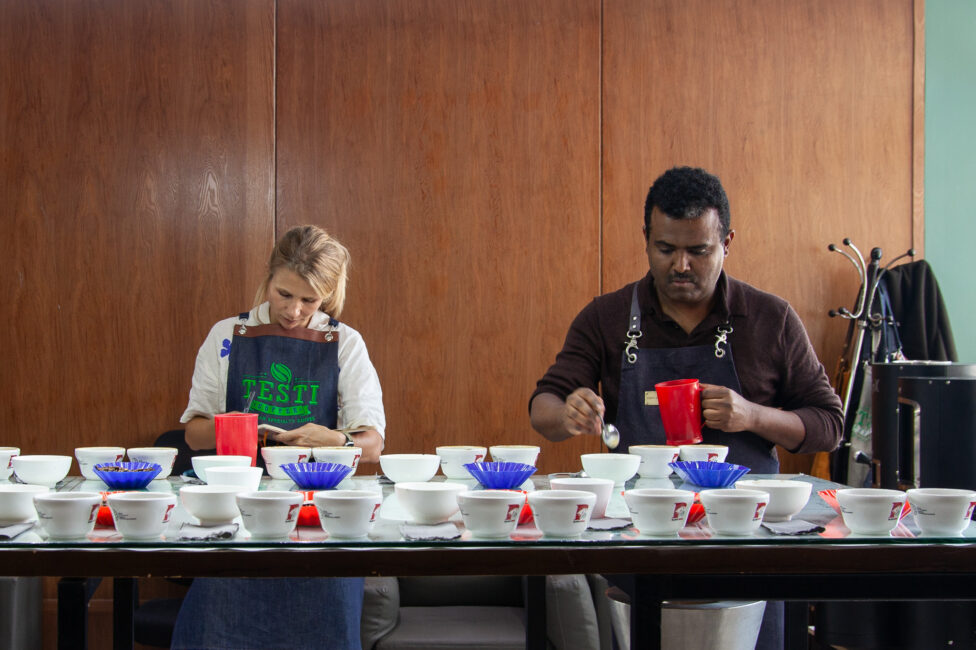
They manage all stages of production, with all wet and dry processing done on their mill, Vivaqua, which they established in 1991. This gives them complete control over quality from picking through to export. Everything is processed separately by 'tablon' (area) and day, with details carefully inputted into their quality control system, where they record everything from the day it was picked and the level of sugar in the mucilage, through to the fermentation and drying time, how the cherries were dried (patio or beds) and the cupping scores once dry and before export. Daniel is their resident cupper and quality control manager, and has the task of cupping over 1000 samples during the harvest period!

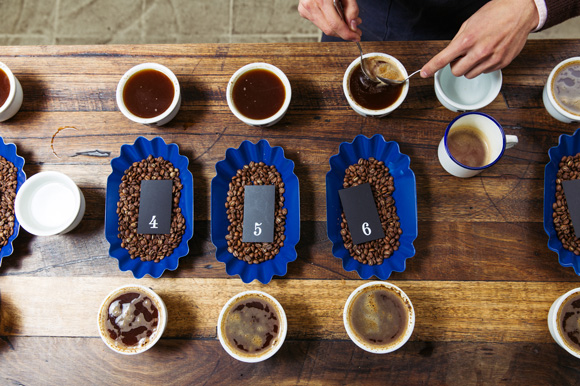
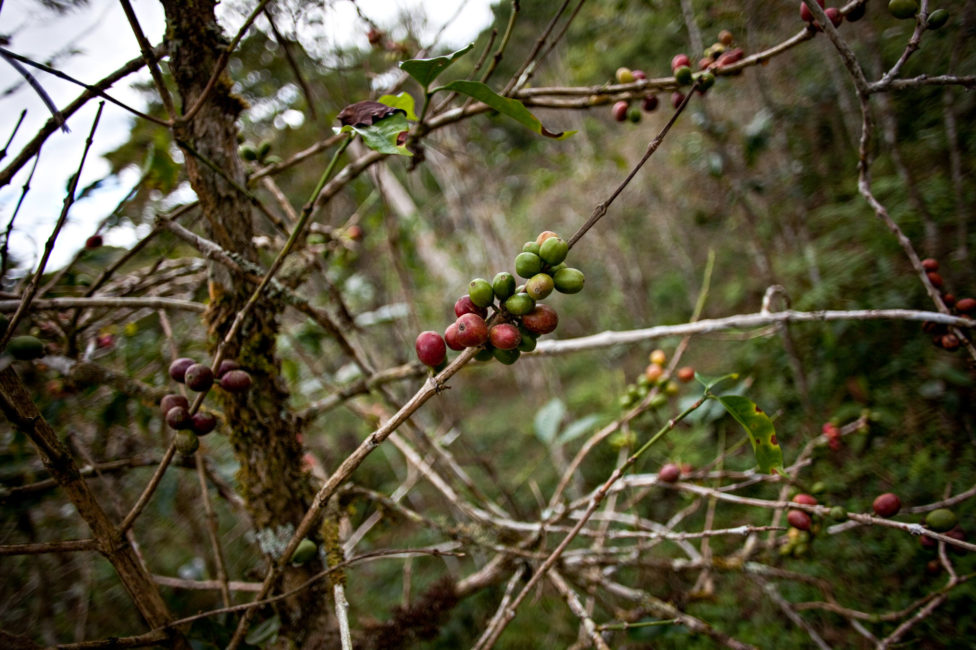
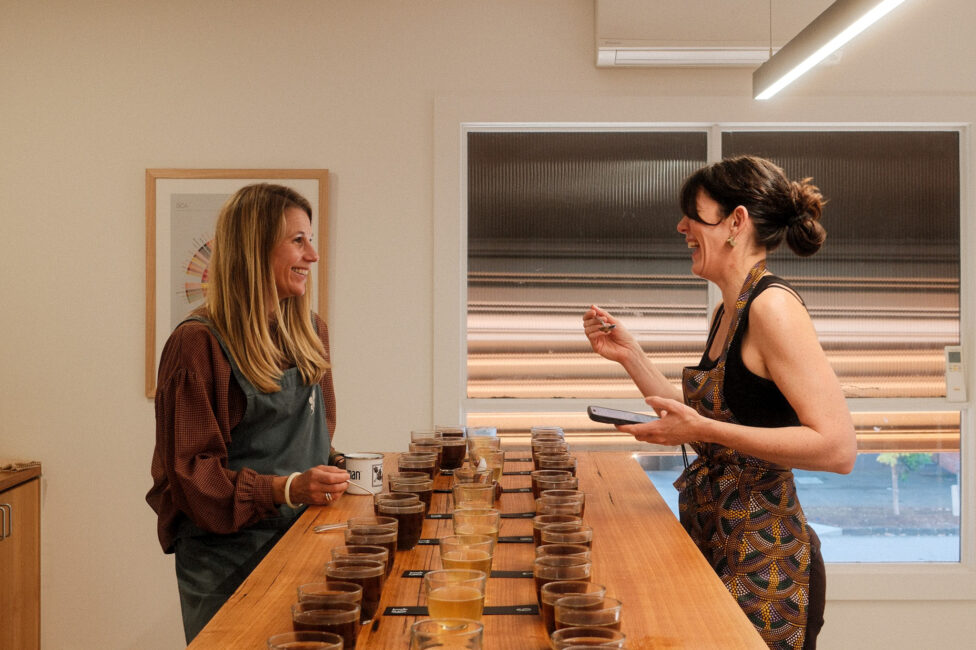
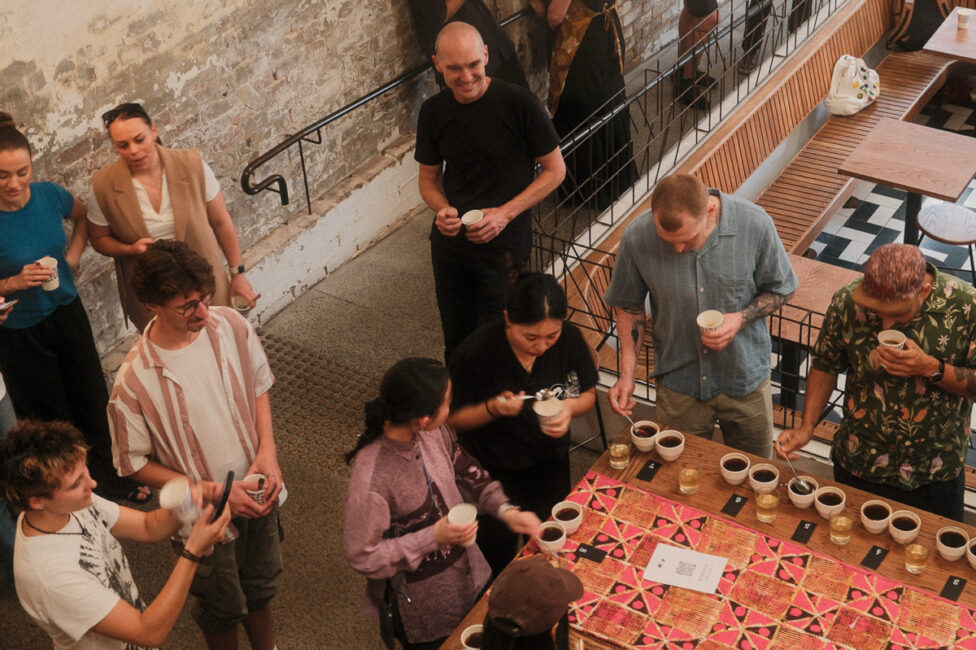
When visiting their farms, we were particularly impressed with the standard of picking. All workers were selecting only the ripest cherries, and were very diligent in sorting the cherries as they picked. Whilst this is something all quality focused farms strive for, it is also one of the hardest things to achieve, as workers are paid based how much they pick, and selecting only the ripest cherries is time consuming and difficult. Alfredo explained to us that this was something that had taken years of training and education. One of the most effective things that they did to help workers understand the importance of selecting only the ripest cherries was a cupping – they gave the pickers two cups – one with unripes in and one with perfectly selected cherries. 'That is when the penny dropped' Alfredo explained. 'They could taste the difference and understand why we are so focused on this issue.'

There are other initiatives that have also been put into place which set the Pacas apart as growers. They have recently implemented the '5 S Programme'. This is something that Alfredo learnt about whilst at university. It was developed in Japan, and is focused on effective waste management. Again this programme has required a heavy investment from the Pacas in educating the workers. ' We had to change the behavior of the workers, and to do this they needed to understand why we were implementing the programme' Alfredo explained. One of the initiatives was the implementation of recycling bins on each farm. 'I knew we had succeeded when I learnt from a farmer that we had not only changed his behavior whilst at work but also at home. When he would once throw his rubbish out the window, he now saved any trash he had until he got home and could dispose of it effectively'.

The Pacas are very keen to preserve the rich eco system that surrounds their farms, with 25 hectares across their farms dedicated to natural forest. They also plant around 500 endangered native trees a year on each of their farms to help protect El Salvador's biodiversity.

With such a long history in coffee growing, the Pacas have some beautiful stories from their ancestors who had also dedicated their lives to coffee.

Don Alberto Pacas, Maria and Alberto's Great Grandfather, was, like them, naturally inquisitive, and began experimenting with different varieties of coffee trees from his plantations, using the seeds from his best trees. After years of observations, Don Alberto recognized that there was a variety that he could not identify, which was more resistant to disease and wind, and higher yielding. Alberto sent it to the University of Florida, who confirmed his findings, and identified it as a new natural mutation of Bourbon. The variety was called 'Pacas', after Don Alerto's surname.

Years later and with the cooperation of the Coffee Institute of El Salvador the legendary Pacamara was born, a unique and rare coffee variety that resulted from the crossing of the famous "Maragogype" Arabica and the "Pacas' variety.

Alfredo also shared a very funny story of Santiago Diaz, another relative who purchased El Retiro in the 1930s. Santiago was a curious who loved research and inventing things. In the 1930s, he hired a chemist to study if it was possible to make alcohol from the coffee mucilage.

After some trials they succeeded, and called their product 'Diaco'. Santiago used the Diaco to proudly drive his T Model Ford from Santa Ana to San Salvador, impressing many in the area who used carts to get between the cities. The product was short lived however, as Santiago quickly realized that the Diaco was ten times more expensive than gasoline to produce and also a seasonal product!

You can see pictures of the Pacas's farms here.